Research, data and real fieldwork
Articles about poultry genetics, traceability, data science and technology. All from research and real fieldwork.
Articles

125 Years of Rhodeländer: When Breeding a Breed Means Preserving Knowledge
A century-old journal, 125 years of breeding, and a reflection on genetics, selection, memory, and traceability in poultry breeding.
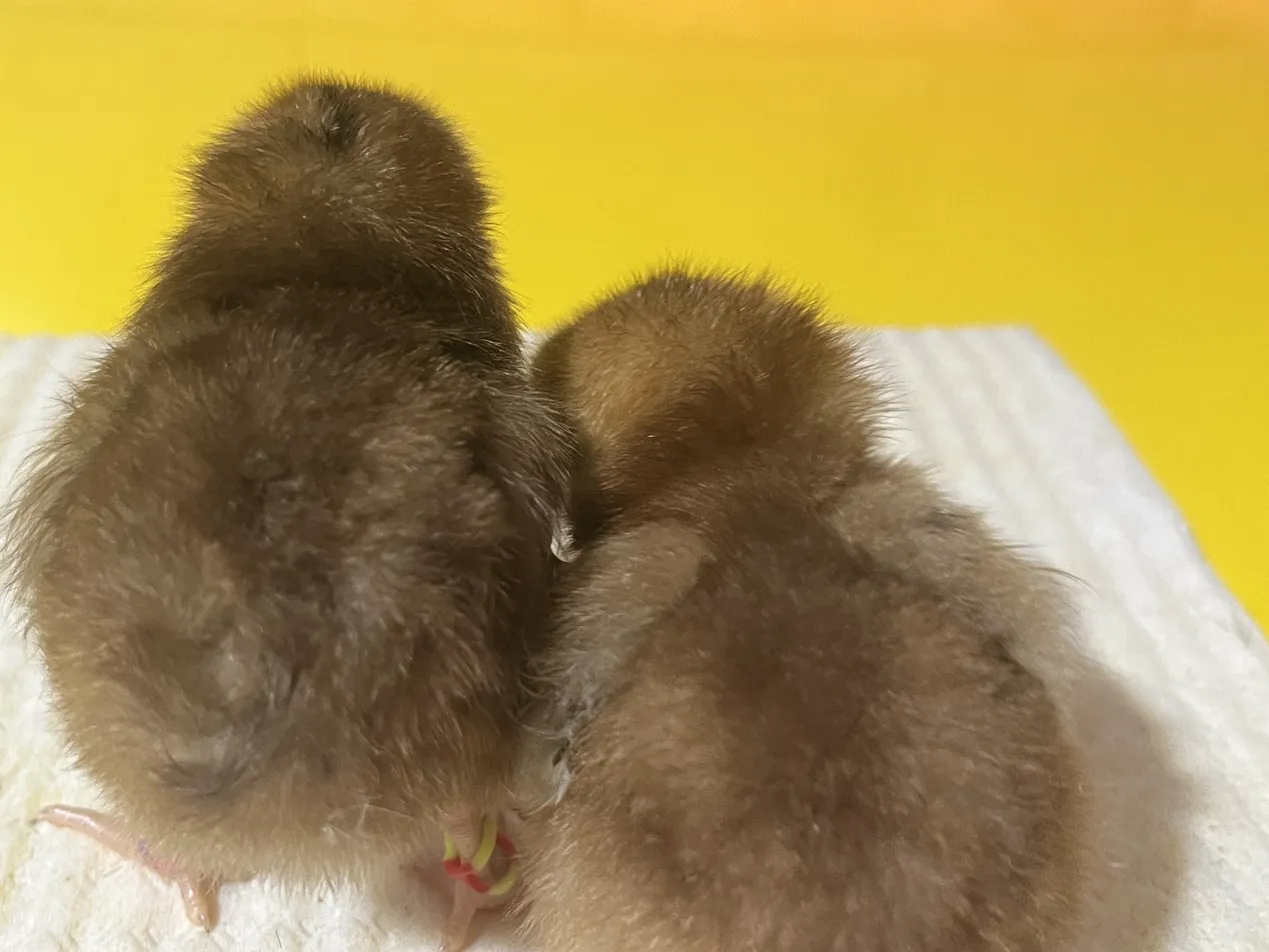
Why Do My Rhode Island Red Chicks Have a Light Belly and Dark Back?
RIR chicks with a dark back and light belly can worry breeders expecting a uniform red color. But this uneven color distribution is normal and reveals how melanin works.
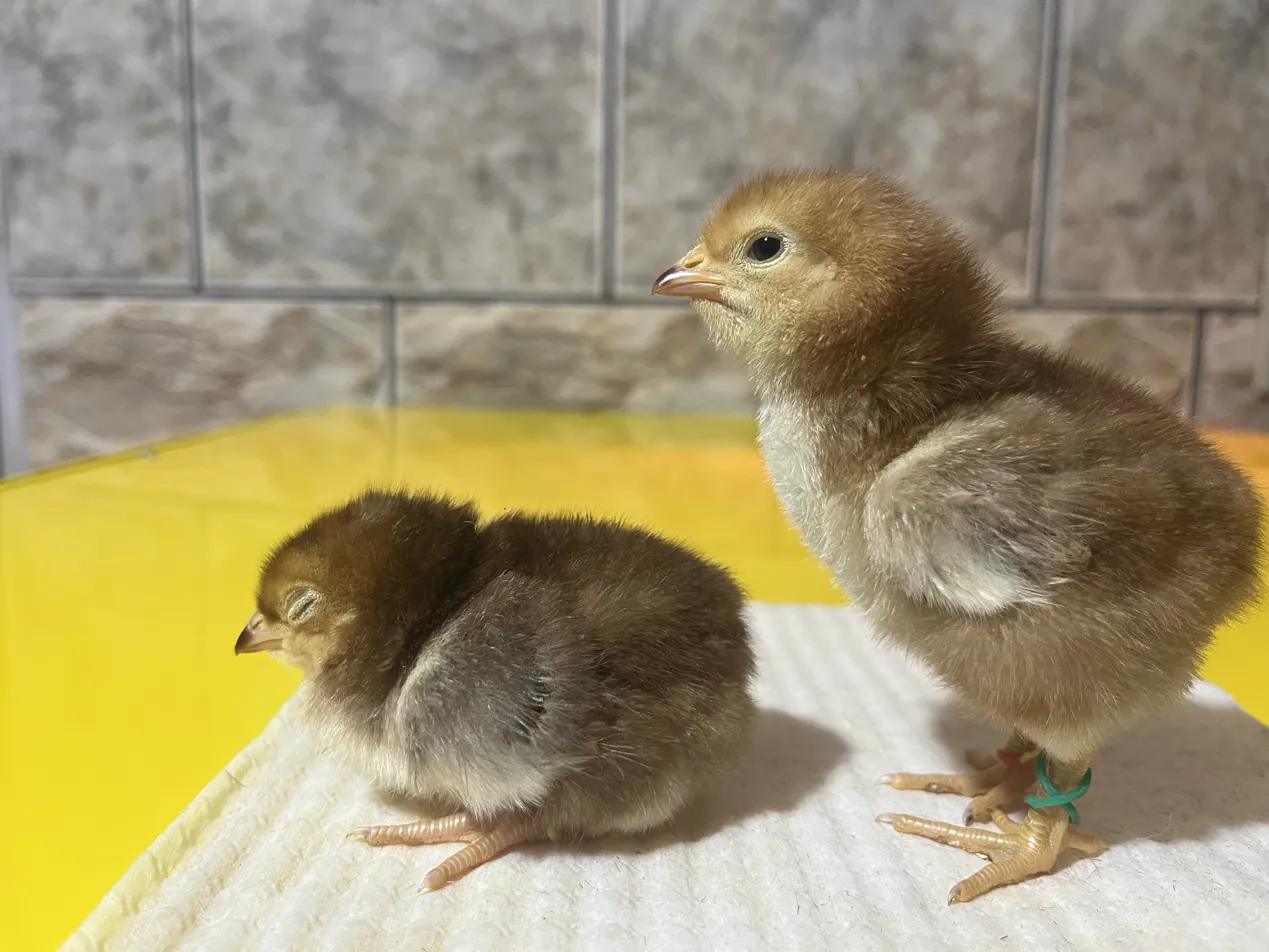
My Rhode Island Red Chick Has Dark Wing Feathers. Is That Normal?
RIR chicks with dark bars on their wing feathers can worry beginner breeders. But it is completely normal — juvenile plumage differs from adult plumage. Understand the process.
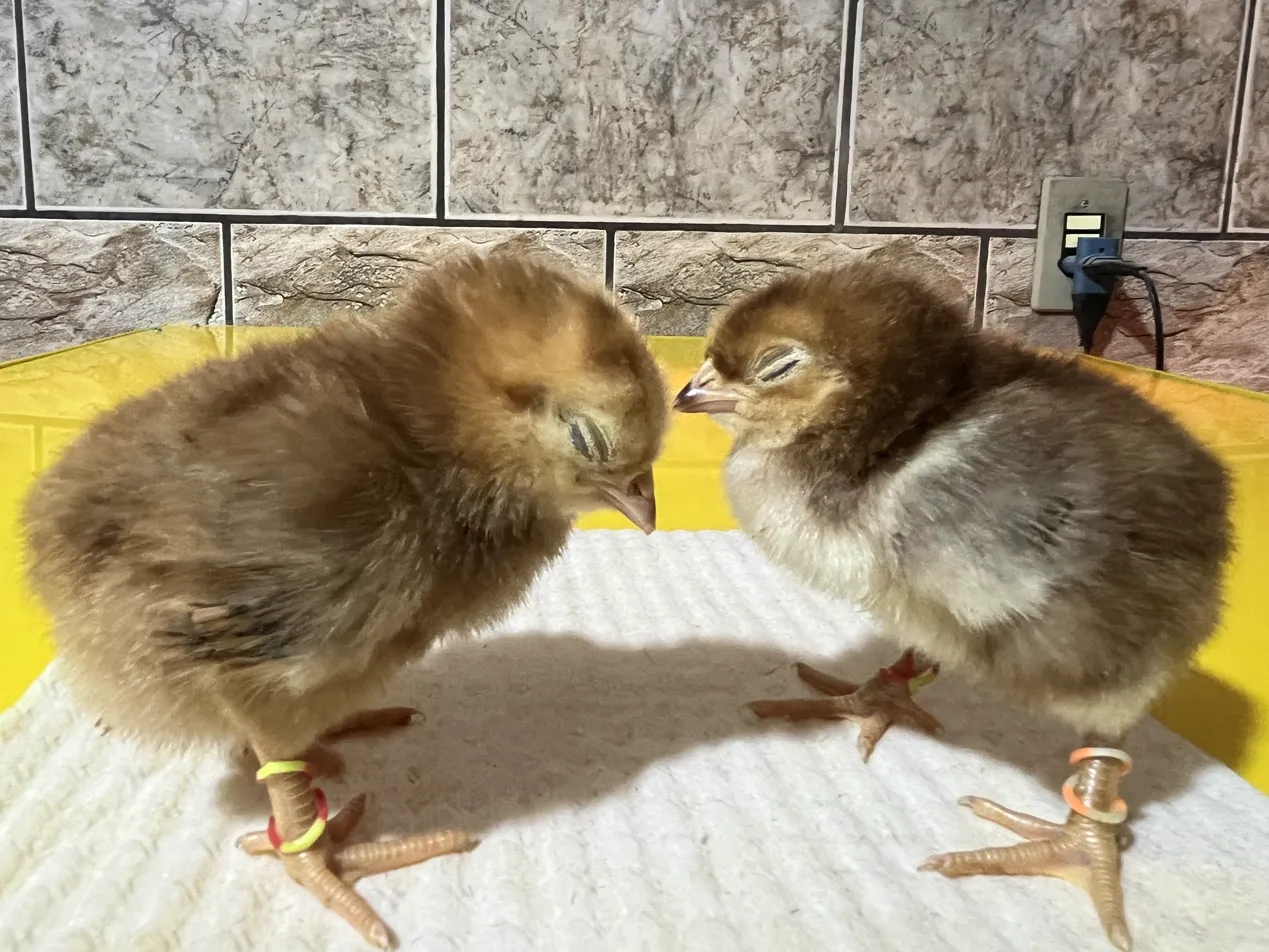
What Do the Colored Leg Bands on My Chick Mean?
Colored leg bands on chicks are not decoration. They are the foundation of an individual traceability system that connects each bird to its parents, its egg of origin, and its genetic program.
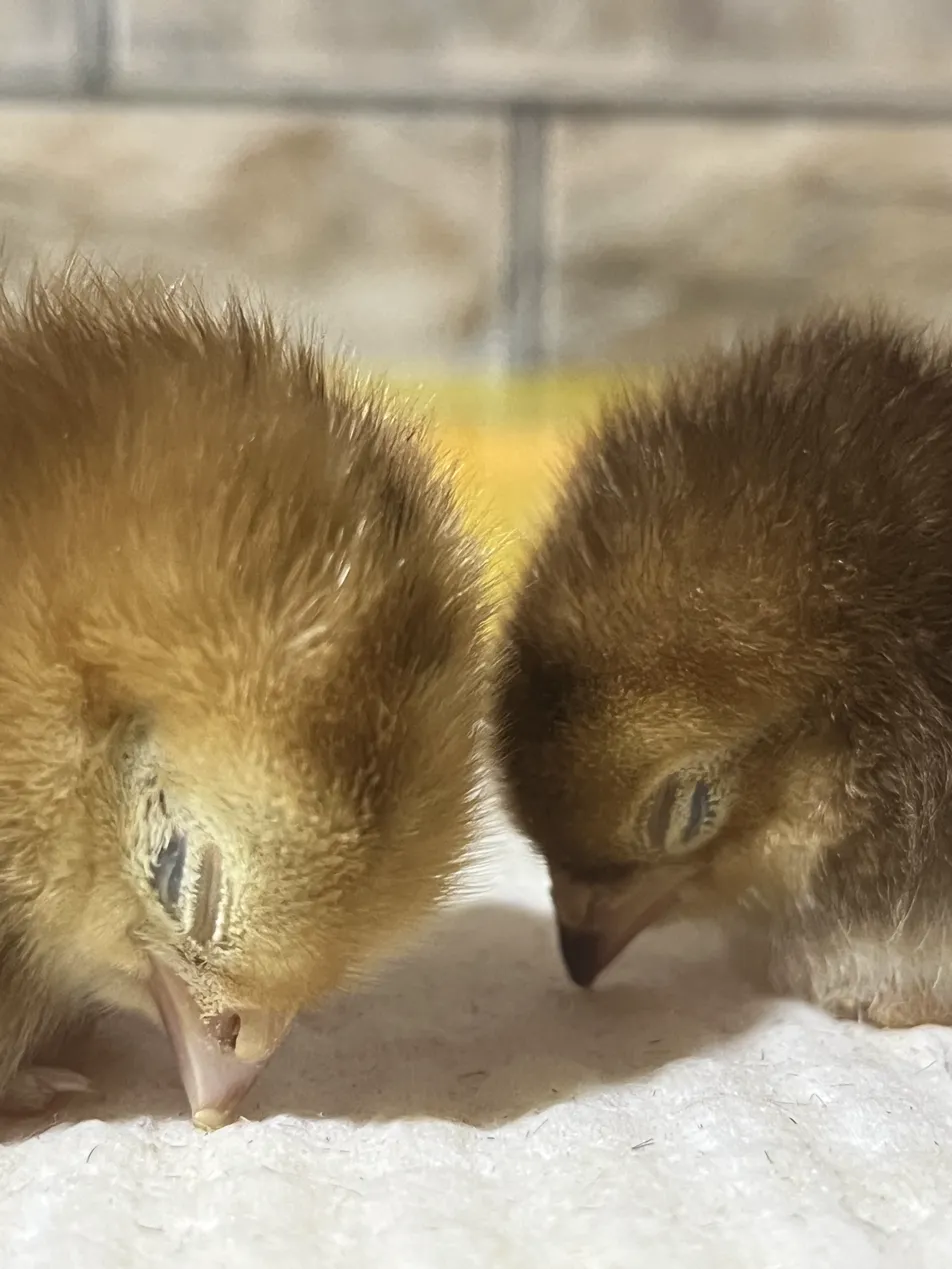
How Can I Tell If My Rhode Island Red Chick Will Grow Up to Be Dark Red?
RIR chicks from the same hatch can be born in different shades — some lighter, others darker. Beak color in the first few days may indicate which birds will develop more intense adult plumage. Understand the genetic basis and how to use it in selection.
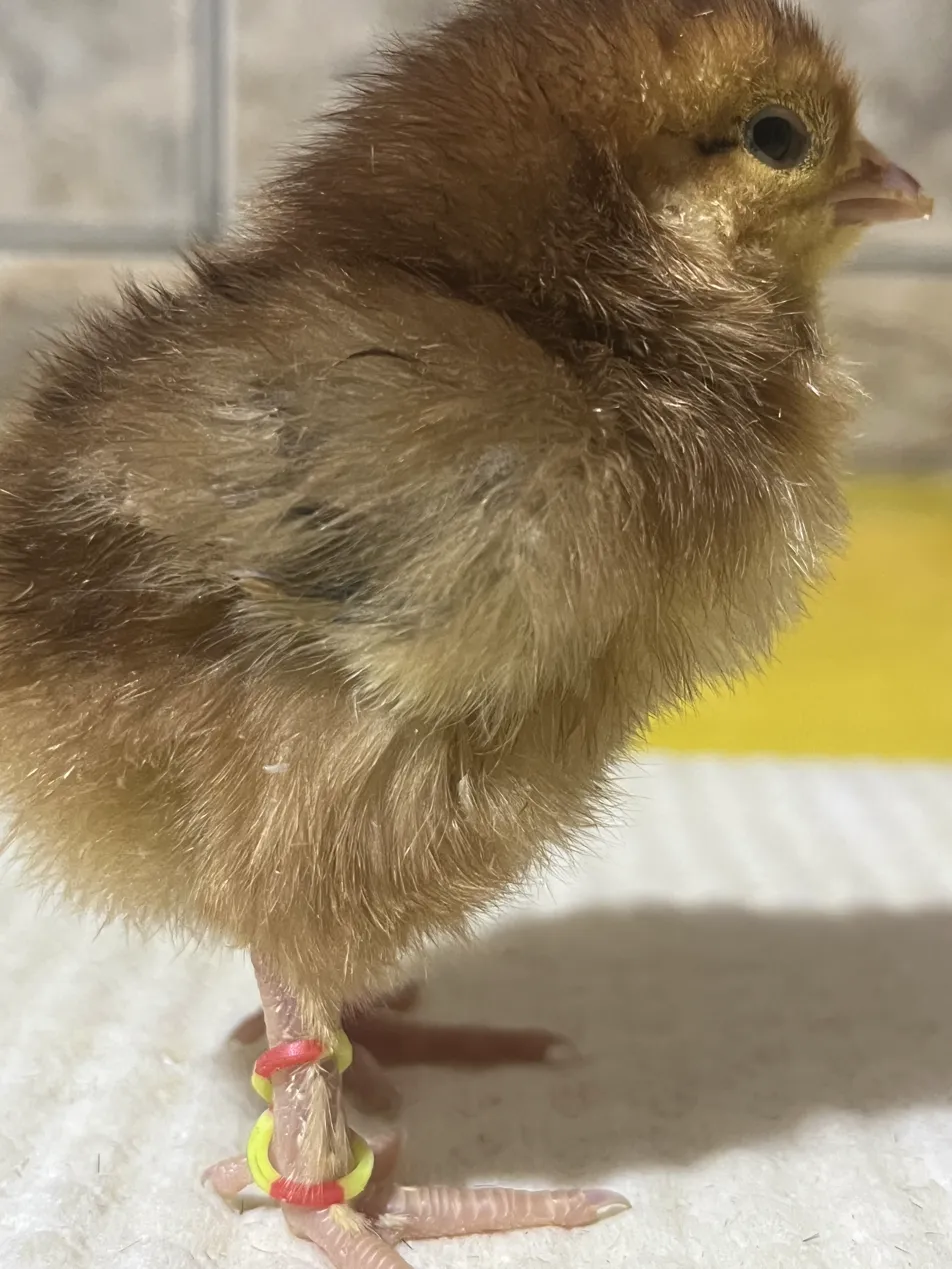
My Rhode Island Red Chick Was Born with Feathered Legs. Is It a Defect?
Rhode Island Red chicks with feathers on their legs? It is not a defect or a disease — it is associated with the Pti locus and feathered-leg genetics inherited through the breed's history. Learn how to identify carriers and what to do.
No articles found matching these filters.